





Geotechnical engineering

Geotechnical engineering is a practice that relates to the engineering behaviour of the earth and its materials. As a branch of civil engineering it is of great importance to construction activities taking place on the surface or within the ground, as well as to mining, coastal, drilling and other disciplines.
Despite having considerable overlap, geotechnical engineering differs from engineering geology in that it is a speciality of engineering, whereas the latter is a speciality of geology.
Geotechnical engineers are responsible for evaluating subsurface and soil conditions and materials, using the principles of soil and rock mechanics. They are commonly appointed as consultants on construction projects. Engineers also examine environmental issues such as flood plains and water tables. By doing so, they are able to determine whether a particular site is suitable for a proposed project, and can inform the engineering design process with regard to how ground conditions can be made safe and effective for construction.
From geotechnical surveys, engineers will be able to evaluate the stability of the ground, including any slopes and soil deposits, assess any risks and/or contamination, and help to determine the types of foundations and earthworks that will be required. The potential for hazards such as landslides, earthquakes and other seismic activity can also be assessed.
Geotechnical engineers can be involved in ‘ground improvement’, in which soil is treated through a variety of different techniques to improve strength, stiffness, and/or permeability.
Geotechnical engineering is also important in coastal and ocean engineering, in relation to building wharves, jetties, marinas and coastal defences, as well as foundation and anchor systems for offshore structures such as oil rig platforms. Engineers may also work on embankments, tunnels, channels, reservoirs, irrigation systems, and so on.
NB Roles in construction projects: analysis and terminology, by Hughes, W. and Murdoch, J. R, published in 2001 by the University of Reading, defines a geotechnical engineer or geotechnic engineer as a: ‘Consultant with specific responsibility for contributing advice and information on aspects connected with conditions below the surface of the ground.’
[edit] Related articles on Designing Buildings
Featured articles
Check out some of the best features and news from Designing Buildings as well as key stories from around the web.
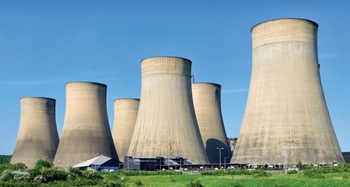
The heritage of nuclear and conventional power stations.
New measures to stop people being ripped off

Government to protect families from cowboy builders and aggressive bailiffs.

New Futurebuild showcase brings an innovation-first approach.
National Planning Policy Framework

Understanding the 2026 changes.
ECA's public affairs priorities

Member consultation opens to shape priorities for 2027 to 2030.

Dutyholder responsibilities from 1 July 2026.
Where performance meets practice

The Building Envelope Stage at UKCW Birmingham.

CIAT publishes briefing on planning reforms.
Leaders in Learning for Practice Network

Call for conservation leaders in learning to register interest in new network.
The importance of early engagement

Construction lessons from the Trillium HealthWorks Experience Centre.
Mayors are to be given planning call in powers

Mayors across England will be able to make the most important planning decisions.

The Master Builder: William Butterfield and his times. Book review.
Comments
Rabio Vegetariano